


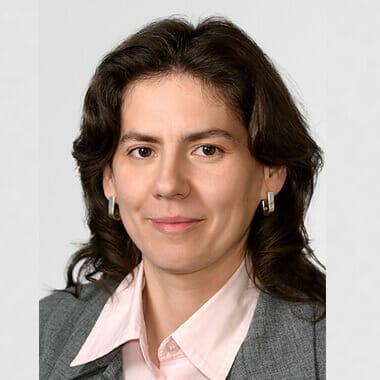
I have always been fond of living and the inanimate nature, whether it is just observing or later experimenting. Although I had problems with the curricular textbook-like interpretations in math and physics, I was always fascinated by the wonders of nature and science – and it continues to this day. I wanted to be a physician or a veterinary surgeon. At the age of 17, I got involved in radio amateurism, which led me directly to physics, electronics, and electrical engineering. The multi-disciplinarity of electronics technology and material science at university also re-connected me to biology and chemistry.
Your organization field and mission
The direct predecessor of BME was founded in 1782, and it was the first institute in Europe to train engineers in university structures. We train professionals in the disciplines of technology, information technology, natural sciences, economics, business and management. Besides education, we make up the innovation chain: fundamental and applied research, technological product and service development, and the application of research findings.
The essential roles of the Department of Electronics Technology: providing experts with thorough and solid knowledge of the interdisciplinary area of electronics manufacturing and production informatics; keeping education materials up to date by integrating rapidly changing technological know-how; occupying undergraduate students with practical, project-oriented topics; taking part in solving technological problems and educating professional industrial specialists.
Please tell us briefly about your role in the company / at your organization:
As a senior research associate, I design and execute research on various technology-related topics, consult students, and teach at laboratory sessions, including technological and basic electronics measurements. I also organize and participate in career guidance programmers of the Faculty and the Department (open days, girls’ day, etc.) and promote STEM to secondary and primary school students, which I love very much. I am involved in PR activities, too.
Your interest in STEM
My first role models were fictional characters: intelligent women scientists (e.g. when I was a kid, Gadget, the inventor mouse girl from Disney Chip n Dale – Rescue Rangers and as a teen, Dr. Ellie Arroway from the 1997 film Contact).
My highest impact role model was my partner (now husband). Seeing how interesting and fun this field is, I wanted to be like him; he inspired me to step onto the road to becoming an electrical engineer, a field different from my previous expertise. Today, I am inspired by my colleagues from the Department and lady colleagues from the university.
Your studies
- Strengths: diligence, curiosity, practical approach, attention to detail. Direct, social character.
- Weaknesses: lack of sound solid knowledge in math, programming and related topics; studying very hard and the backlog of things to learn at semester ends was not easy :-
- Opportunities: people who recognize your knowledge and efforts, EU projects, research in modern equipped, “cool” laboratories
- Threats: family matters, small or lack of emotional support from people (“Why struggle so much with engineering, it is not for a girl/you”), bad stereotypes.
Basics are essential, so be prepared: math and physics must be in your thumb. Programming and English – like a foreign language – are also needed. A broad interest and knowledge in other STEM topics.
You at work
For us, this is normal. Many neurodivergent, dyslexic, speech impaired, etc., students receive help from us during tests and presentations. But the professional requirements are equal. We had a hearing-impaired colleague as well. We had a visually impaired student (a foreign lady from the English students) at labs who was the best prepared, the most active and motivated among her colleagues – she really made a great impression on all of us.
I am very proud of being a first-generation university graduate in my family. Furthermore, as a woman, electrical engineering was not a usual field as it was considered too hard (the girls’ rate was below 5% in the university when I started).
I am proud to have graduated from one of the most challenging universities in the country. I am also proud when I influence students to become engineers or to initiate their interest and in-depth work in my field.
Your point of view
Technology can help with breaking stereotypes and representation. Tech careers are increasingly accessible to women through mentorship programs, and online communities. Representation in media driven by tech allows for diverse stories and role models to emerge.
With an inborn practical focus and good adapting capabilities, women usually have a flair for this profession. With attention to details, any lady can reach a very high professional level of expertise.
More women are needed at the management level (like everywhere). Respecting family and personal goals, leisure. Value the different skills and the beneficial human character traits.
To finish with
Social, diligent, versatile, curious, amazed by this profession.
Keeping up with the pace of development, struggling with my decreasing learning and memory skills, handling AI and related educational issues, and accommodating new student generations’ characteristics (andragogy, pedagogy).
I would still be “spinning” in our laboratory and involved in interesting research, becoming more professional in teaching with continuous renewal methods and developing various educational materials.